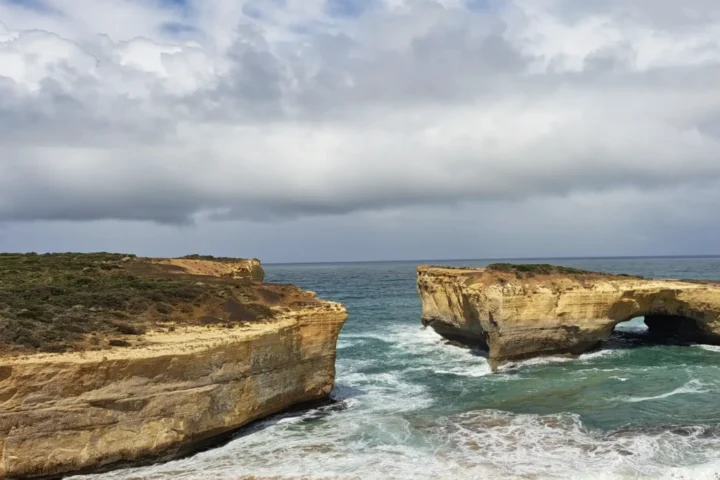
The Great Ocean Road is one of Australia’s most famous coastal drives, stretching over 240 km along the Victorian coast. From Apollo Bay to Port Campbell, this scenic drive offers breath taking views, cliffs, beaches and rainforest trails. But when is the best time to see it all?
Here’s a monthly guide to help you plan your trip based on weather, crowd levels and the best sights along this coastal road.
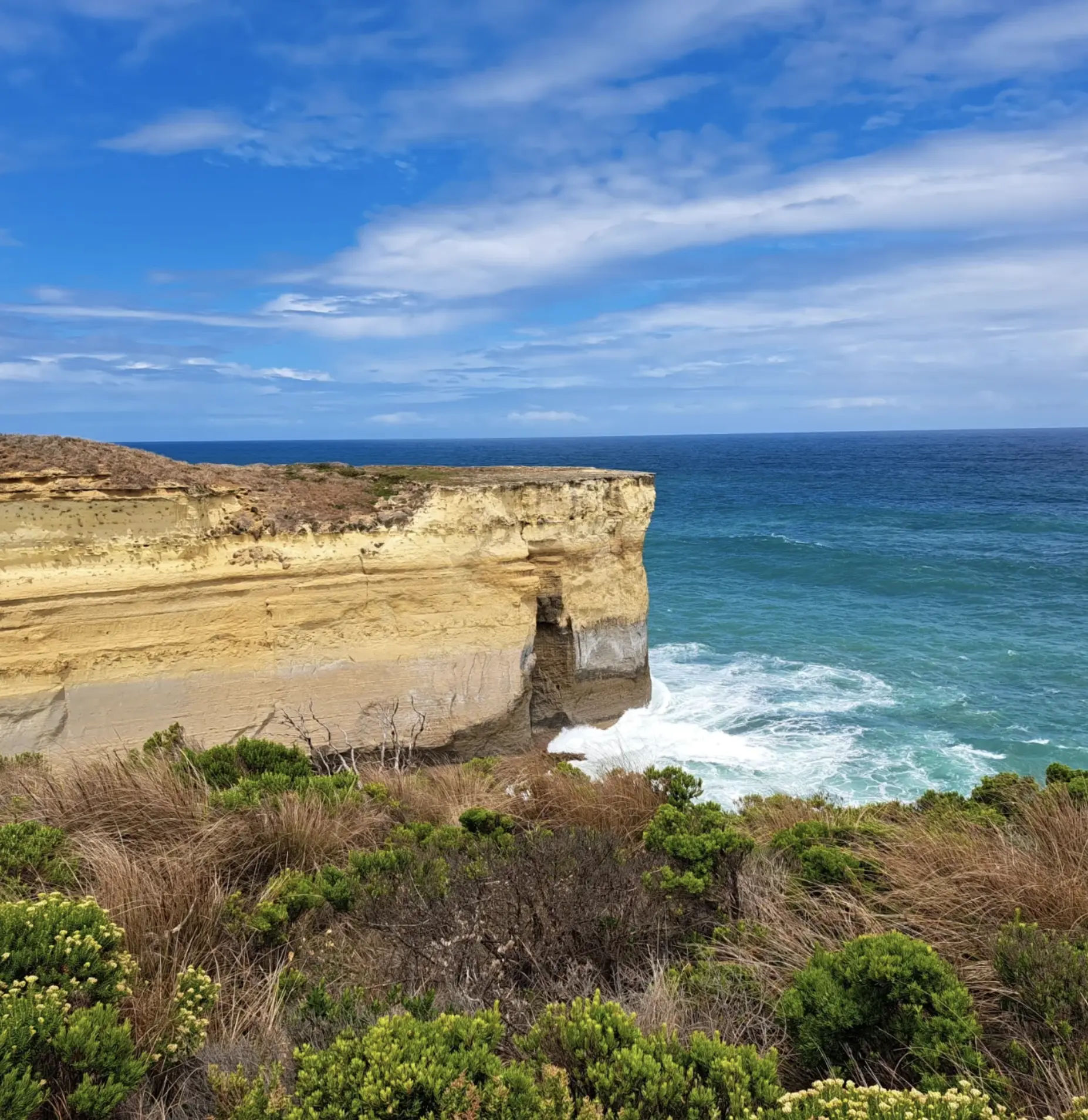
Seasonal Breakdown
Summer Months (December – February)
Peak Season & Beach Life
- Pros: Warm weather, perfect for swimming at Apollo Bay Beach, Bells Beach and Johanna Beach.
- Cons: Summer means big crowds, busy and higher prices.
If you love surfing, beachside cafes and the Aussie surf bands scene this is the busiest time especially around Rip Curl Pro at Bells Beach. But you’ll need to plan for closed roads, no parking and waste time looking for photo spots.
Best for: Beach lovers, surfers and those who want a lively vibe.
Pro Tip: Many travelers book a Great Ocean Road tours from Melbourne in summer to avoid the hassle of driving and parking in busy coastal towns.
Autumn (March – May)
Perfect Time for a Scenic Drive
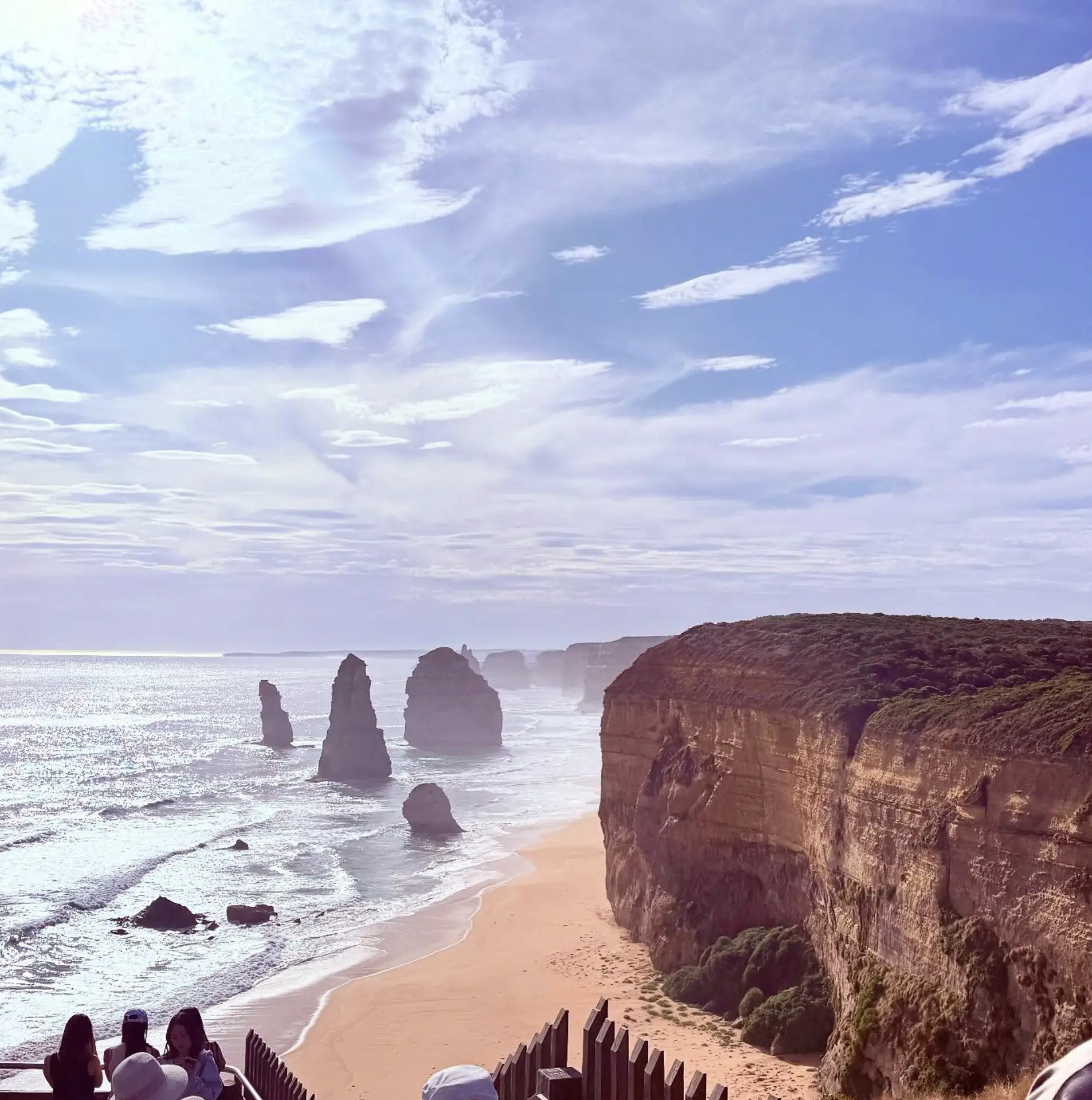
- Pros: Mild weather, fewer tourists, perfect for coastal drives and scenic stops at Gibson Steps, Loch Ard Gorge and London Arch.
- Cons: The ocean starts to cool down and bad weather can hit.
This is the perfect time for those who want a balance of good weather, stunning cliffs and coastal scenery without the summer crowds. Take your time to explore Kennett River Nature Walk for sleepy koalas and visit Aire River or Hopetoun Falls for a waterfall experience.
Best for: Scenic views, coastal rainforest walks and quiet coastal towns like Port Fairy.
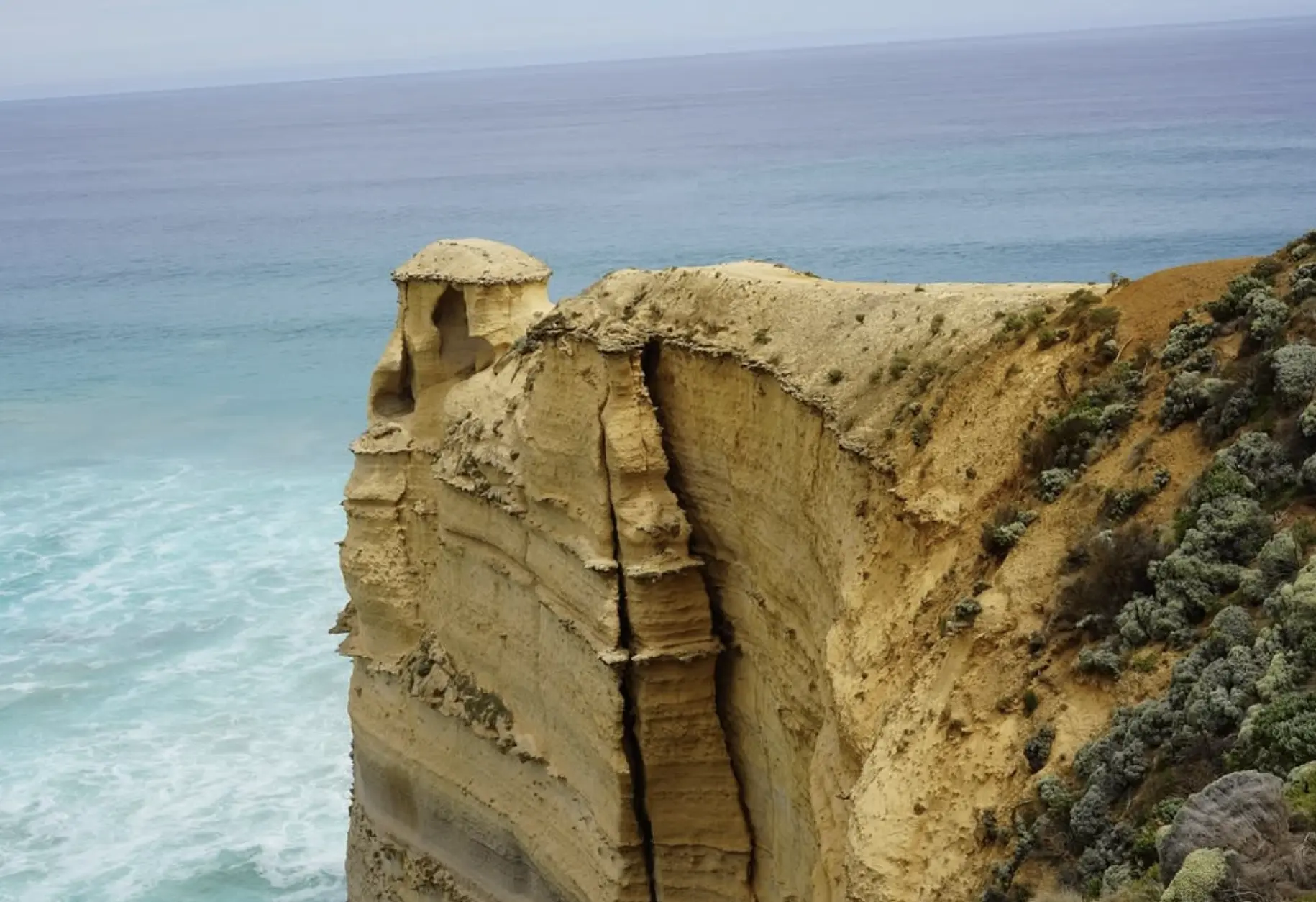
Not to miss: Port Campbell National Park walks with the Twelve Apostles.
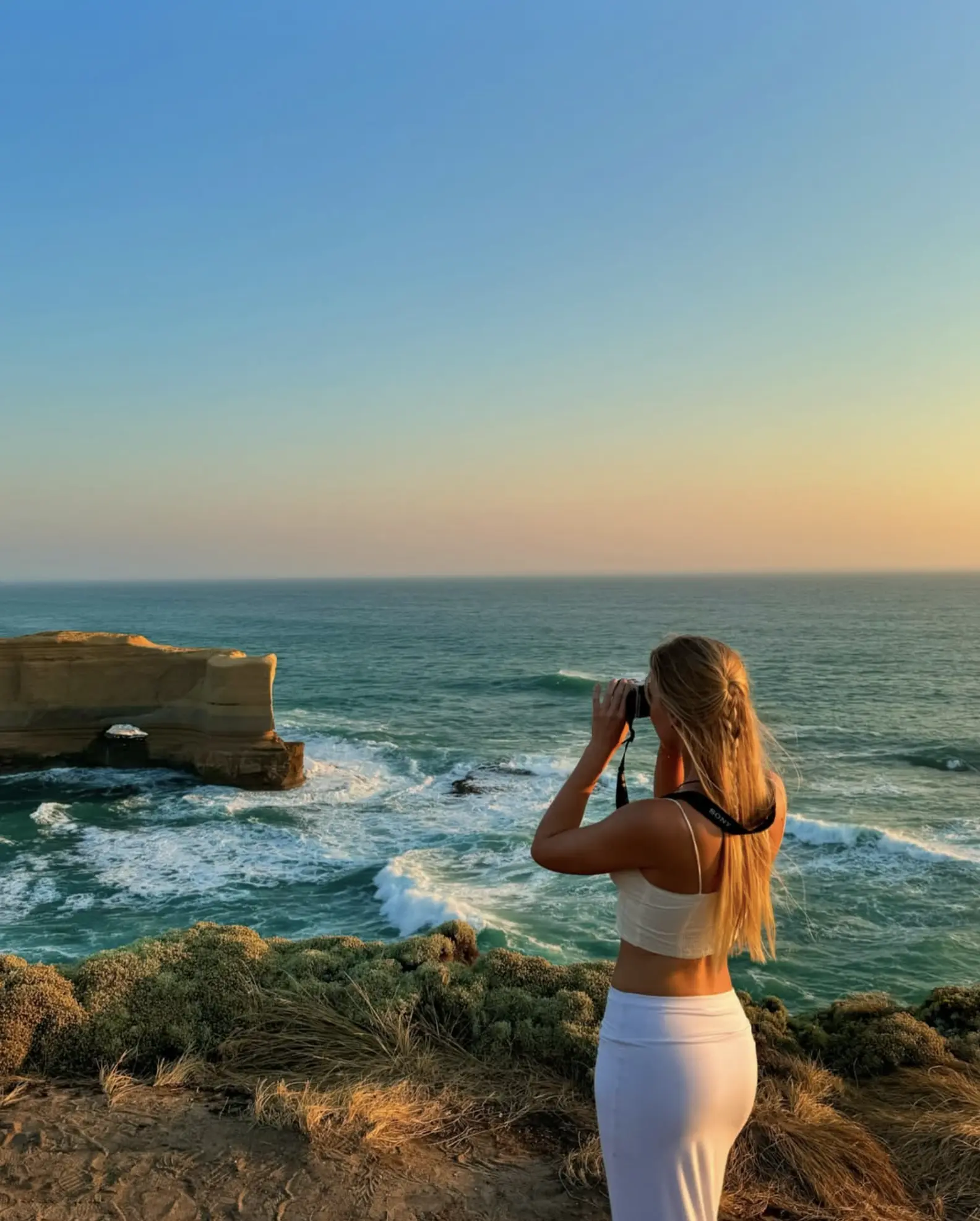
Winter Months (June – August)
Best for Wildlife & Dramatic Scenery
- Pros: Whale season, dramatic waves at Gibson Beach, quiet coastal town vibes.
- Cons: Cooler months, more rain, bad weather some days.
The cooler weather makes this the perfect time to explore the green rainforest and temperate rainforest trails of Otway National Park and Erskine Falls. Visit Tower Hill Wildlife Reserve, an old volcano with native wildlife. Enjoy coastal drive views of Eva Rock Formations and Cape Otway Lightstation.
Best for: Whale watching, nature lovers, quiet coastal route.
Pro Tip: If you want hassle free experience join one of the Great Ocean Road tours, they have expert guides and comfortable transport so you don’t miss any of the scenic stops.
Spring (September – November)
Best for Wildflowers & Outdoor Activities
- Pros: Lush rainforest scenery, beautiful stops like Triplet Falls, pleasant coastal views.
- Cons: Unpredictable weather forecasts, hot weather and cool beach vibes some days.
Spring is the peak season for national park walks, mountain biking at Blanket Bay, scenic lookouts at Cape Patton Lookout. If you like cycling events check out local community events or take a boardwalk loop at Eastern View.
Best for: Coastal rainforest walk, stunning rock formations, breathtaking views.
Remember: If you’re doing a Great Ocean Road trip from Melbourne leave early in the morning so you make the most of your day and allow plenty of time to stop at the lookouts along the way.
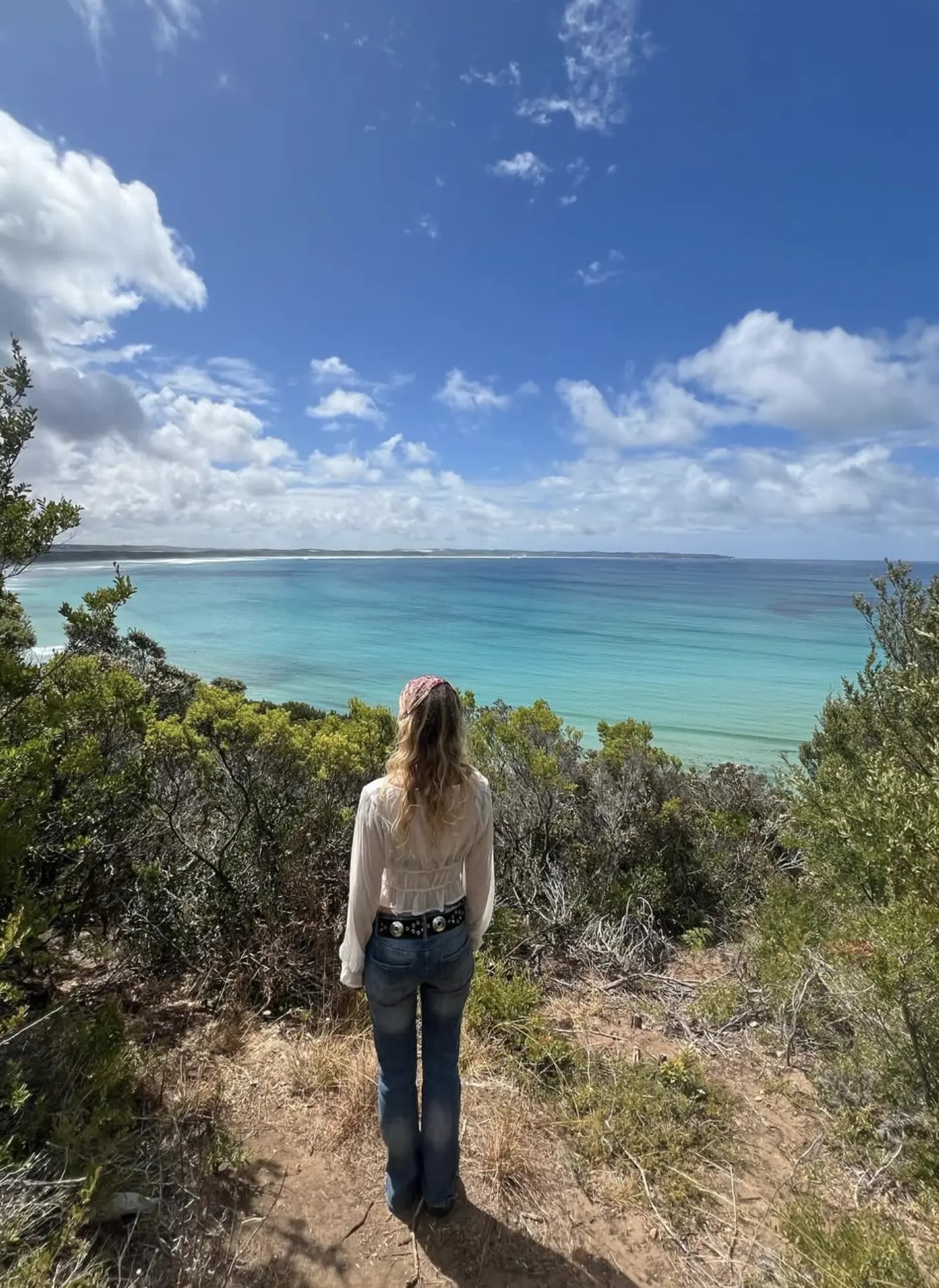
Top Attractions & Tips for Trip
- Must-See Spots: Loch Ard, London Bridge, Port Campbell National Park, Gibson Steps, Memorial Arch.
- Hidden Gems: Kafe Koala, Crayfest Port Campbell, Aussie surf shops, ferns-lined gorge.
- Best Viewpoints: Cape Otway, Aireys Inlet, Otway Fly Treetop Adventures, lookouts.
- Best for Wildlife: Tower Hill, Kennett River, natural habitat of roos, koalas and echidnas.
Tips:
Leave time for the coastal towns.
Driving time can vary with closed roads or bad weather.
Use public transport if you don’t want to drive the whole way yourself.
Plan your playlist for your coastal adventure.
Best Month for the Great Ocean Road
Best Overall: March – May (Autumn) – less crowds, great weather, beautiful landscapes.
Best for Surfing & Beach Vibes: December – February (Summer months) – hot weather and beach days.
Best for Wildlife & Dramatic Views: June – August (Winter months) – cooler months, whale-watching and craggy cliffs.
Best for Flowers & Outdoor Activities: September – November (Spring) – wildflowers, rainforest floor hikes and scenic landscapes.
Conclusion
The Great Ocean Road has amazing views and memories to be made regardless of when you visit. Whether you want warm weather in summer for beach activities or quiet moments in the cooler months, each season has its charm. From Gibson Steps to the Otways rainforest, there’s something for everyone, all year round.
FAQ
When is the best time to visit the Great Ocean Road for less crowds?
The best time to visit with less crowds is in autumn (March – May) and winter (June – August). These months have cooler weather, less tourists and peaceful coastal views.
Can I visit the Twelve Apostles all year?
Yes! The Twelve Apostles can be visited all year, but best in autumn and spring for warm weather. In winter it’s fewer crowds and bigger waves and in summer it’s beautiful sunsets but big crowds.
How long does a Great Ocean Road tour from Melbourne take?
A Great Ocean Road tour in Melbourne is 12–14 hours for a day trip, but a 2- or 3-day trip allows you to visit more attractions like Port Campbell National Park, Cape Otway and Otway Fly Treetop Adventures.
Do I drive the Great Ocean Road or take a guided tour?
If you prefer flexibility and extra time at the scenic stops, self-driving is a good option. But a 2 day Great Ocean Road tour is perfect if you want a hassle-free experience with expert commentary and scenic photo spots pre-planned.
What to bring?
Season dependant! Sunscreen, sunglasses, swimwear, and thongs, Warm clothing, waterproof jacket and good walking shoes, Camera, water, snacks and a playlist.