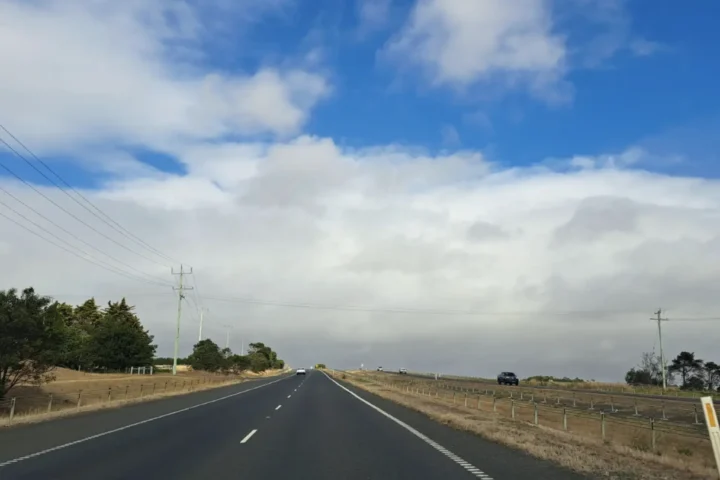
The Great Ocean Road is one of Australia’s most beautiful coastal drives, spanning 240km along Victoria’s southern coast. It’s a must-do for road trippers, nature lovers and adventure seekers. But where do you start the journey?
Best Starting Point: Torquay
The official start of the Great Ocean Road is Torquay, a coastal town 100km southwest of Melbourne. Torquay is famous for its surf culture, stunning beaches and home to the world famous Bells Beach.
Why Start in Torquay?
- The Official Start: The Great Ocean Road Memorial Arch, one of the most iconic landmarks, is just outside Torquay so it’s a symbolic start to the trip.
- Close to Melbourne: Only 1.5 hours from Melbourne so it’s an easy start for locals and tourists.
- Surf Heaven: Torquay is the surf capital of Australia with world-class waves at Bells Beach and Jan Juc Beach.
- Lots of Amenities: Torquay has great accommodation, restaurants and car hire so it’s a comfortable place to prepare for the trip.
Alternative Starting Points
While Torquay is the traditional start, here are other options depending on your itinerary:
Melbourne
If you’re planning a longer trip, you can start from Melbourne and drive to the Great Ocean Road, stop at Geelong and the Bellarine Peninsula before reaching Torquay. Many tour operators offer a Great Ocean Road tour from Melbourne so if you don’t have a car you can still experience this famous coastal route.
Geelong
Geelong is Victoria’s second biggest city and a great launchpad to the Great Ocean Road. With waterfront views, wineries and attractions like the Geelong Botanic Gardens it’s a worthwhile stop before hitting the coastal road.
Warrnambool (Reverse Route)
Some people prefer to drive the reverse route, starting from Warrnambool and heading to Torquay. This way you drive on the ocean side of the road and get better views of the coastline.
Notable Stops
A road trip along the Great Ocean Road is one of the most beautiful drives in the world. Along the way you’ll find many gorgeous beaches, quaint coastal towns and natural landmarks. Here are some of the highlights:
Bells Beach
Bells Beach is a world famous surf spot, famous for its big waves and cliffs. The world famous Bells Beach attracts surfers from all over the world, especially during the Rip Curl Pro surf comp. Even if you’re not a surfer, this is worth a visit for the views especially at sunrise or sunset. The area has some great walking trails that lead to the coastal cliffs.
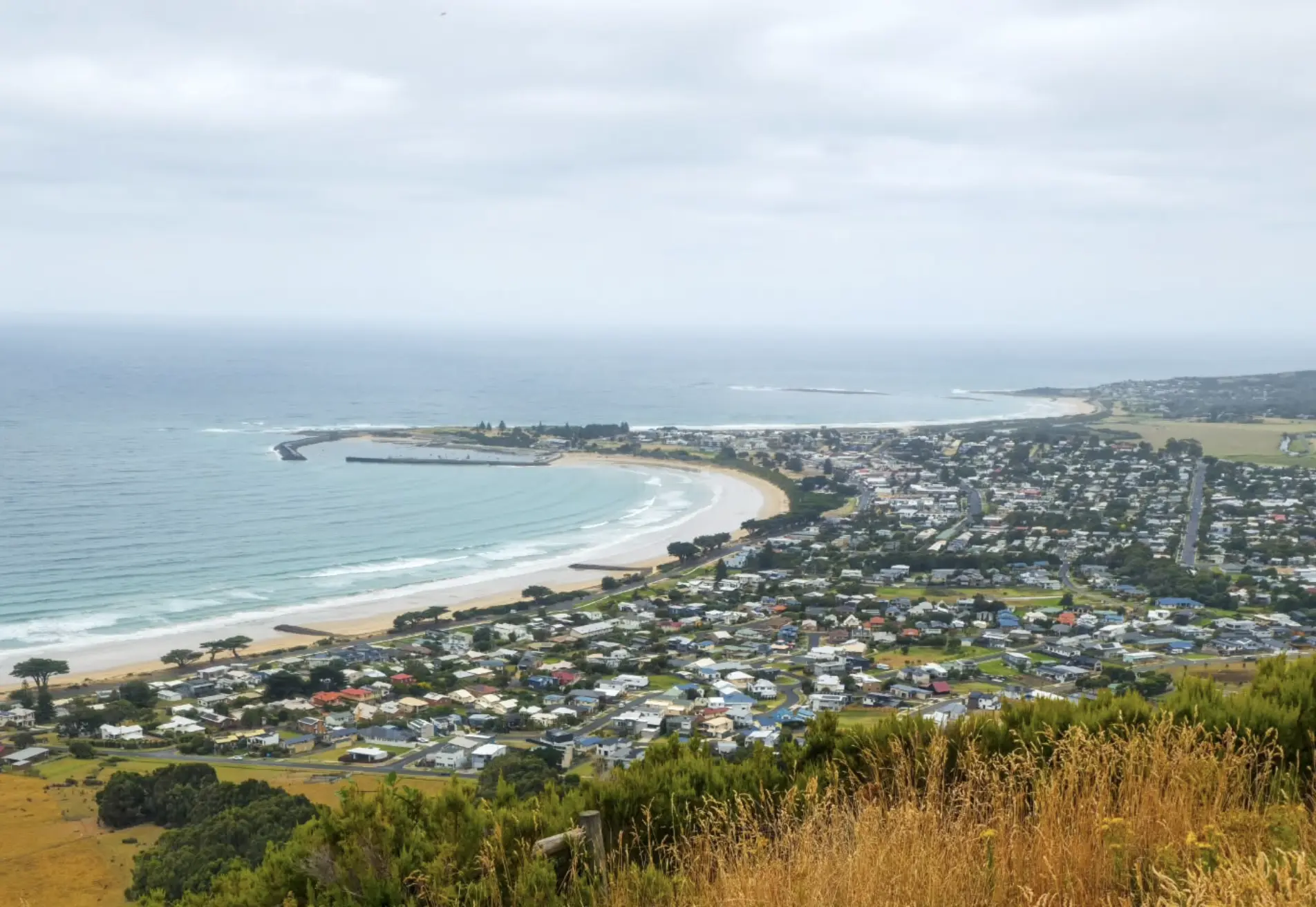
Apollo Bay
Half way along the Great Ocean Road, Apollo Bay is a lovely laid back coastal town perfect for a stop. The town has loads of cafes and restaurants serving fresh local seafood and the beach is great for a swim or a quiet walk. Apollo Bay is also the gateway to the Great Otway National Park, home to rainforests and some of the area’s most impressive waterfalls like Triplet Falls and Hopetoun Falls.
Otway National Park
If you love nature and hiking Otway National Park is a must see. The park is a paradise for outdoor enthusiasts with trails that take you through towering trees, fern lined gorges and vibrant wildlife. Highlights include Erskine Falls, a 30m waterfall that cascades into a rocky pool and the Otway Fly Treetop Adventures where you can walk high above the rainforest floor on a canopy walk. It’s the perfect mix of adventure and relaxation so a great detour for those who want to get back to nature.
Cape Otway Lightstation
Cape Otway Lightstation, Australia’s oldest surviving lighthouse, is an iconic stop along the Great Ocean Road. Situated where the Southern Ocean meets the Bass Strait the lighthouse has the best coastal views in the area. You can climb to the top for ocean views, spot dolphins and whales and learn about the area’s rich maritime history.
Port Campbell National Park
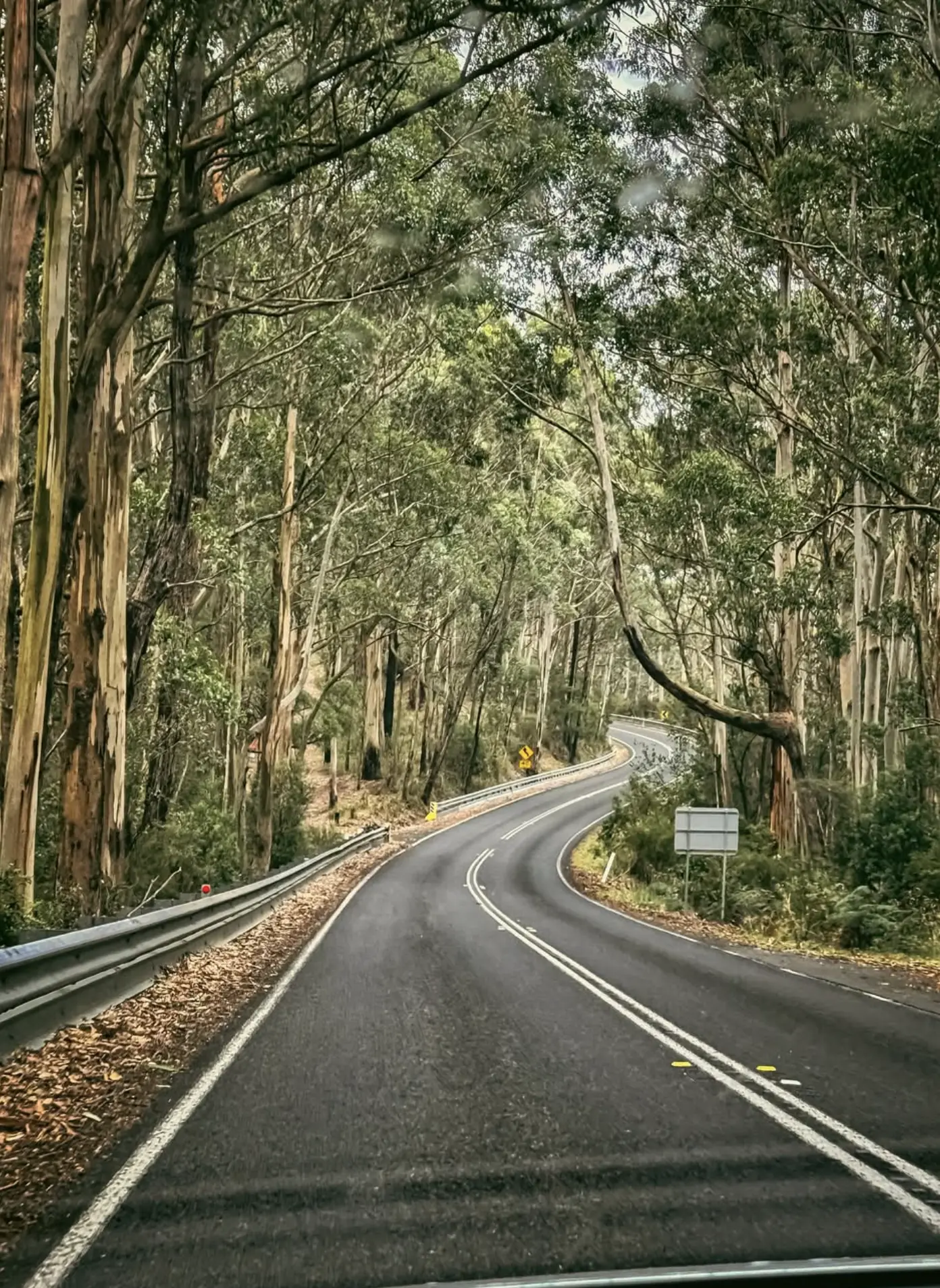
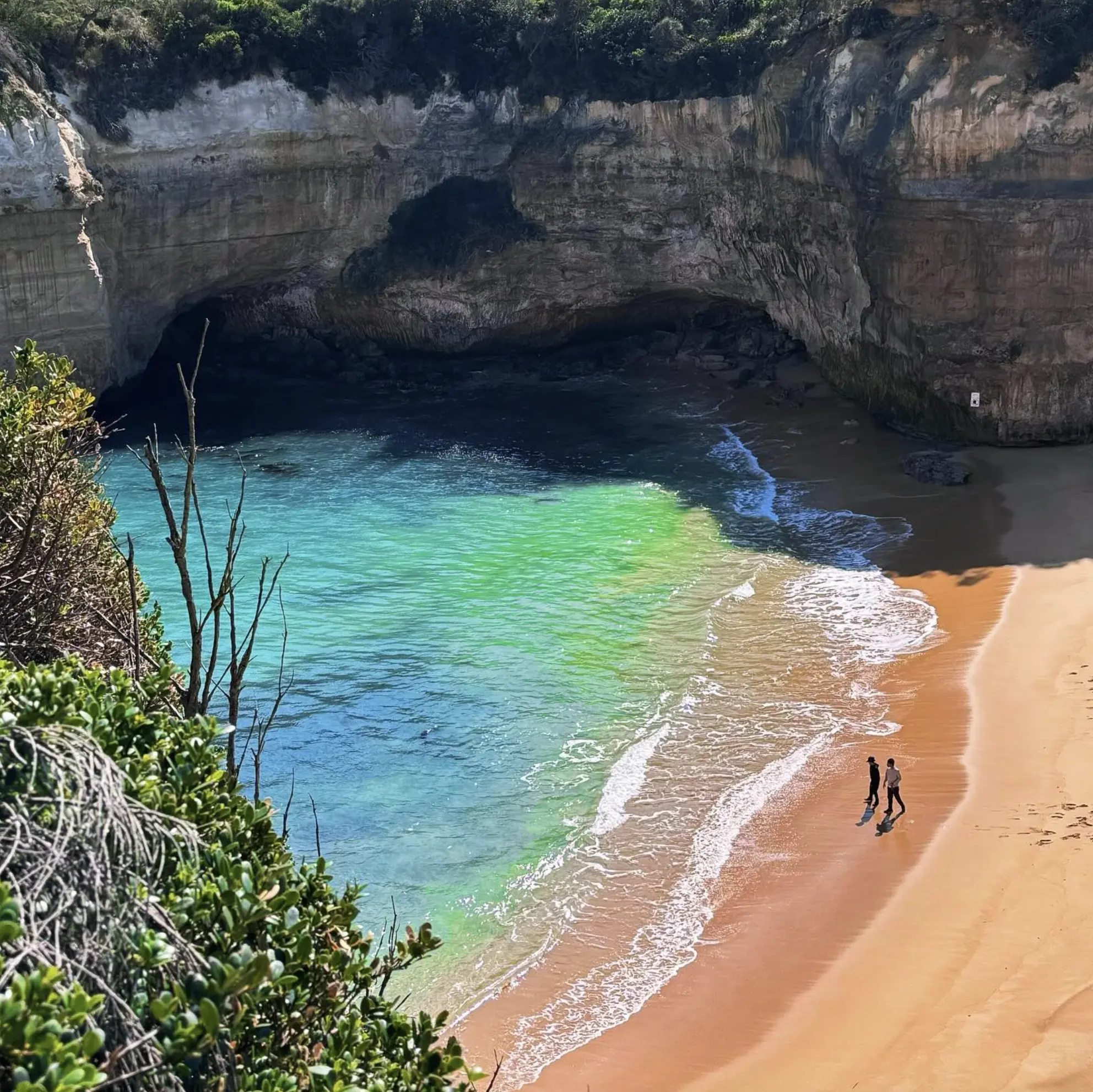
Port Campbell National Park has some of the most famous landmarks along the Great Ocean Road. The park is most famous for the Twelve Apostles, a collection of limestone stacks in the Southern Ocean. Other must see attractions are Loch Ard Gorge, Gibson Steps and London Arch. The cliffs and natural rock formations are breathtaking.
Port Campbell
Port Campbell is a lovely seaside town near Port Campbell National Park and is a great base to explore the surrounding natural attractions. The town has several nice pubs and eateries to unwind after a day of sightseeing. It also has a range of accommodation options from budget motels to cozy B&Bs so you can stay overnight.
Kennett River
For animal lovers Kennett River is a great spot to see sleepy koalas in their natural environment. This small town is famous for its koala population and you can often see these cute creatures in the eucalyptus trees. The area has several walking tracks that go through green forests and native bushland where you might see kangaroos, birdlife and other native wildlife.
Fairhaven Beach
Fairhaven Beach is one of the most beautiful beaches on the Great Ocean Road, with golden sand, clear water and great views. It’s a great place to stop for a swim, a surf or just to take in the scenery. The surrounding area has several lookouts where you can get great photos of the rugged coastline.
Tower Hill Wildlife Reserve
Tower Hill is a unique wildlife reserve located in the crater of an extinct volcano. The area is rich in Aboriginal history and you can see native Australian animals including kangaroos, emus and koalas in their natural environment. The reserve has several walking tracks, picnic areas and a visitor centre with displays about the area’s history and native wildlife.
Childers Cove
Childers Cove is a secluded beach perfect for those who want to get away from the crowds. The beach has beautiful rock formations and clear water making it a great spot for swimming, picnicking or just relaxing by the shore. A peaceful stop on the Great Ocean Road.Port Fairy is a beautiful coastal town with historic charm. The town’s old buildings including the lighthouse and stone cottages give a glimpse into its past as a bustling fishing port. Port Fairy is also famous for its seafood and the area’s beaches and nature reserves make it a great place for outdoor activities like kayaking, fishing and hiking.
Aire River
Aire River is a lovely spot for camping, fishing and nature walking. This peaceful area is surrounded by green forests and has stunning views of the river and surrounding landscape. The Aire River estuary is home to many bird species so it’s a great spot for birdwatching. Whether you’re camping under the stars or just stopping for a scenic break Aire River is a peaceful escape from the more touristy areas.
Hugh Gibson Beach
Hugh Gibson Beach is a hidden treasure along the Great Ocean Road, often missed by visitors. This small beach is perfect for those who want solitude and a quiet spot to enjoy the surroundings. With its white sand, clear water and cliffs it’s a great place to get away from it all.
Blanket Bay
Blanket Bay is one of the most peaceful spots on the Great Ocean Road. Located in the Great Otway National Park this bay is great for a picnic or a walk along the beach. The calm water and scenery make it a perfect day out and it’s a popular spot for photography.
When is the Best Time to Visit the Great Ocean Road?
You can visit the Great Ocean Road all year round but the best time depends on your preference. Summer (December to February) is warm and beachy, winter (March to May and September to November) has fewer crowds and green rainforests, and winter (June to August) is best for whale spotting. If you want to see the Twelve Apostles during sunset the golden light reflecting off the limestone stacks is breathtaking.
Conclusion
For most people Torquay is the best place to start the Great Ocean Road as it’s the official start and a smooth transition into the amazing scenery of the road. But if you want a different experience start in Geelong or Warrnambool and get a different perspective and travel opportunities.
Wherever you start the Great Ocean Road you’ll have an epic adventure with rugged coastlines, rainforests, limestone stacks, cliffs, waterfalls and famous landmarks. Plan your trip, allow time for beautiful stops and lookouts and get ready for one of the world’s most iconic road trips.
Frequently Asked Questions
How long does it take to drive the entire Great Ocean Road?
The whole drive from Torquay to Warrnambool is about 4-5 hours without stopping. But most people take at least 2 days to see all the lookouts, towns and natural wonders.
What is the best time to visit the Great Ocean Road?
It depends on your preference. Summer is best for beach activities, autumn and spring for mild weather and less crowds, and winter for whale watching along the coast.
Can I do the Great Ocean Road in one day?
Yes, but it will be a long day. A one day trip usually includes the main attractions like the Twelve Apostles, Loch Ard Gorge and Port Campbell National Park but you will miss many of the scenic spots along the way.
Where should I stay along the Great Ocean Road?
Overnight stops are popular in Apollo Bay, Port Campbell and Lorne. These towns have a range of accommodation from budget to luxury with ocean views.
Is it better to drive the Great Ocean Road or take a tour?
Driving gives you more flexibility but a Great Ocean Road tour from Melbourne is a great option if you prefer a guided experience without worrying about navigation or driving fatigue.